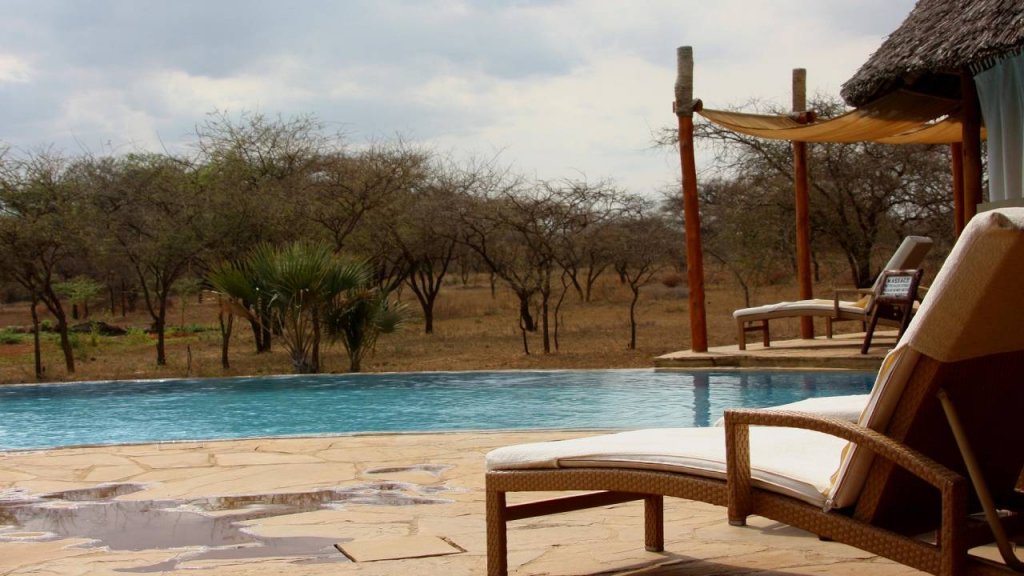
For outdoor enthusiasts craving an exotic twist on nature immersion, a safari tent delivers unparalleled luxury amid rugged camping landscapes. Inspired by African savanna expeditions, these spacious canvas shelters blend glamorous comfort with raw wilderness exploration, ideal for campers pitching in remote backcountry sites, van lifers seeking upscale boondocking havens, and fishing aficionados desiring elevated bases near trout-filled rivers.
Picture unfurling a safari tent after a grueling day of hiking steep trails, fly fishing in crystal-clear streams, or wildlife watching in dense alpine forests—complete with high ceilings, mesh windows for breezy ventilation, and roomy interiors that accommodate king beds and lounge areas under starry skies.
Safari tents are surging in popularity for their durable, weather-resistant builds and eco-friendly materials, making them perfect for multi-day backpacking trips, family nature retreats, or solo van life road trips through panoramic canyons and lush meadows.
Whether scrambling slot canyons, kayaking serene lakes, or forest bathing in ancient woodlands, a safari tent redefines outdoor activities, fostering sustainable camping that honors Leave No Trace principles while indulging in opulent wilderness survival.
This comprehensive guide explores safari tents, their benefits for backcountry escapades, top models for 2025, essential features for nature immersion, setup tips for off-grid living, and integrations with hiking, fishing, and van dwelling.
What is a Safari Tent? Defining Exotic Comfort in the Wild
A safari tent is a large, canvas-based shelter originating from African safari lodges, featuring sturdy frames, high peaks, and expansive awnings for shaded outdoor lounging.
Unlike standard backpacking tents, safari tents offer glamping-level space—often 16×16 feet or larger—with breathable cotton canvas that withstands UV rays, rain, and winds in diverse environments like desert wilderness or forested backcountry.
These tents typically include stove jacks for wood-burning heaters, mesh screens to deter bugs during wildlife spotting, and modular floors for easy setup on uneven terrain near hiking paths or fishing lakes.
For van lifers, safari tents extend your mobile setup into a semi-permanent nature retreat, transportable on trailers for boondocking in national parks. Campers love their quick assembly—often under an hour—freeing time for trail running or birdwatching in alpine zones.
In 2025, innovations include eco-friendly treatments like organic dyes and mold resistance, ensuring minimal impact on fragile ecosystems during multi-season outdoor activities. Whether in humid rainforests or arid canyons, safari tents provide a luxurious portal to nature’s wonders, blending adventure with serenity.
Benefits of Safari Tents for Campers, Van Lifers, and Outdoor Lovers
Safari tents offer myriad perks for those immersed in outdoor pursuits. Their spacious designs—up to 300 square feet—accommodate groups for family camping trips, with room for dining tables and hammocks ideal for post-hike relaxation amid wildflower meadows.
Van lifers benefit from their portability and durability, creating hybrid off-grid living spaces near scenic drives or fishing rivers, complete with solar-compatible ports for charging gear during digital detoxes.
For fishing enthusiasts, safari tents positioned lakeside provide storage for rods and coolers, shielding against elements while offering views of sunrise angling sessions. Hikers appreciate the elevated platforms that keep interiors dry during rainy trail explorations, fostering recovery in cozy confines after conquering mountain summits.
Sustainability is a highlight: Breathable canvas reduces condensation, and eco-materials minimize waste, aligning with Leave No Trace for wildlife habitats and pristine streams. Families enjoy secure, bug-free spaces for kids during meadow picnics, while solo adventurers relish the solitude of remote stargazing spots.
Ultimately, safari tents enhance wilderness survival by marrying luxury with nature’s raw beauty, turning every outing into a memorable eco-adventure.
Best Safari Tents for 2025: Top Picks for Nature Enthusiasts
As outdoor gear advances in 2025, standout safari tents combine innovation with timeless appeal.
- The WHITEDUCK Regatta Canvas Bell Tent tops Amazon lists for its waterproof, four-season design with stove jack, sleeping up to 10 in 16-foot diameters—perfect for group hiking trips or family fishing getaways, priced $800-$1,200.
- Sheltent’s Luxury Safari Tent earns praise for premium features like UV-resistant canvas and modular walls, ideal for van life extensions in desert boondocking or forested backcountry, around $2,000-$3,000.
- YALA Canvas Lodges’ Safari Tents boast ISO-certified strength for extreme weather, with customizable sizes for nature retreats near kayaking rivers, starting at $5,000.
- Davis Tent’s Glamping Safari Tents offer durable canvas with optional awnings, suiting Airbnb setups in national parks or personal use for wildlife watching, $1,500-$4,000.
- Stout Tent’s Fancy Safari Models feature high-end materials for glamping in alpine zones, priced $1,000-$2,500.
These tents cater to budgets and needs, ensuring every outdoor aficionado finds a safari haven for 2025 adventures.
Key Features to Seek in a Safari Tent for Outdoor Bliss
When selecting a safari tent, prioritize features that amplify nature immersion. Heavy-duty canvas (300-500 GSM) ensures waterproofing against storms in canyon backcountry or humid forests, while mesh windows promote airflow for comfortable trail recovery. Stove jacks enable indoor heating for winter camping, and UV treatments protect against sun in open meadows.
Eco-friendly aspects include organic cotton and PFC-free coatings, minimizing impact on fishing streams and wildlife habitats. High ceilings (over 8 feet) allow standing room for gear organization during van life stops, with awnings providing shaded patios for birdwatching or stargazing.
Modular frames support easy assembly on uneven terrain near hiking paths, and bug netting safeguards against insects in rainforest retreats. Look for wind resistance up to 50 mph for exposed alpine sites, ensuring durability for endless outdoor escapades.
Setting Up Your Safari Tent: Tips for Seamless Wilderness Integration
Mastering safari tent setup maximizes your nature experience. Choose level ground in wooded clearings or lakeside spots, staking securely for wind in open canyons. Van lifers, transport via trailers for boondocking flexibility; campers, add ground tarps for moisture barrier in rainy backcountry.
Maintenance involves airing canvas post-trip to prevent mold, storing in dry spots for longevity. Integrate solar lanterns for off-grid lighting during evening wildlife spotting, and position near water sources for easy fishing access, creating a harmonious hub for outdoor activities.
Safari Tents and Outdoor Pursuits: Ideal for Hiking, Fishing, and More
Safari tents excel as bases for varied adventures. Hikers return to spacious comfort after summiting peaks, drying gear under awnings. Fishers love riverside setups for trout angling, with storage for tackle amid scenic views.
Van lifers blend mobility with luxury in meadow boondocks, hosting barbecues post-kayaking. Wildlife watchers enjoy mesh-protected observation, while families create memorable picnics in canyon settings.
Eco-Friendly Safari Tents: Sustainable Choices for Nature Stewards
Many 2025 safari tents prioritize green materials, like recycled canvas and low-impact dyes, reducing footprint in sensitive wilderness. Breathable fabrics conserve energy, supporting ethical outdoor activities for preserving ecosystems.
Embrace the Safari Tent: Your Exotic Wilderness Awaits
Safari tents revolutionize outdoor adventures for campers, van lifers, and nature buffs, offering exotic luxury amid hiking trails, fishing rivers, and starry nights.
From WHITEDUCK’s bell designs to YALA’s robust models, these shelters promise transformative experiences.
Gear up, pitch in the wild, and let nature’s allure unfold!
Safari Tent: Exotic Luxury for Wilderness Adventures
Table of Contents
ToggleFor outdoor enthusiasts craving an exotic twist on nature immersion, a safari tent delivers unparalleled luxury amid rugged camping landscapes.
Inspired by African savanna expeditions, these spacious canvas shelters blend glamorous comfort with raw wilderness exploration, ideal for campers pitching in remote backcountry sites, van lifers seeking upscale boondocking havens, and fishing aficionados desiring elevated bases near trout-filled rivers.
Picture unfurling a safari tent after a grueling day of hiking steep trails, fly fishing in crystal-clear streams, or wildlife watching in dense alpine forests—complete with high ceilings, mesh windows for breezy ventilation, and roomy interiors that accommodate king beds and lounge areas under starry skies.
Safari tents are surging in popularity for their durable, weather-resistant builds and eco-friendly materials, making them perfect for multi-day backpacking trips, family nature retreats, or solo van life road trips through panoramic canyons and lush meadows.
Whether scrambling slot canyons, kayaking serene lakes, or forest bathing in ancient woodlands, a safari tent redefines outdoor activities, fostering sustainable camping that honors Leave No Trace principles while indulging in opulent wilderness survival.
This comprehensive guide explores safari tents, their benefits for backcountry escapades, top models for 2025, essential features for nature immersion, setup tips for off-grid living, and integrations with hiking, fishing, and van dwelling.
What is a Safari Tent? Defining Exotic Comfort in the Wild
A safari tent is a large, canvas-based shelter originating from African safari lodges, featuring sturdy frames, high peaks, and expansive awnings for shaded outdoor lounging.
Unlike standard backpacking tents, safari tents offer glamping-level space—often 16×16 feet or larger—with breathable cotton canvas that withstands UV rays, rain, and winds in diverse environments like desert wilderness or forested backcountry.
These tents typically include stove jacks for wood-burning heaters, mesh screens to deter bugs during wildlife spotting, and modular floors for easy setup on uneven terrain near hiking paths or fishing lakes.
For van lifers, safari tents extend your mobile setup into a semi-permanent nature retreat, transportable on trailers for boondocking in national parks.
Campers love their quick assembly—often under an hour—freeing time for trail running or birdwatching in alpine zones.
In 2025, innovations include eco-friendly treatments like organic dyes and mold resistance, ensuring minimal impact on fragile ecosystems during multi-season outdoor activities.
Whether in humid rainforests or arid canyons, safari tents provide a luxurious portal to nature’s wonders, blending adventure with serenity.
Benefits of Safari Tents for Campers, Van Lifers, and Outdoor Lovers
Safari tents offer myriad perks for those immersed in outdoor pursuits.
Their spacious designs—up to 300 square feet—accommodate groups for family camping trips, with room for dining tables and hammocks ideal for post-hike relaxation amid wildflower meadows.
Van lifers benefit from their portability and durability, creating hybrid off-grid living spaces near scenic drives or fishing rivers, complete with solar-compatible ports for charging gear during digital detoxes.
For fishing enthusiasts, safari tents positioned lakeside provide storage for rods and coolers, shielding against elements while offering views of sunrise angling sessions.
Hikers appreciate the elevated platforms that keep interiors dry during rainy trail explorations, fostering recovery in cozy confines after conquering mountain summits.
Sustainability is a highlight: Breathable canvas reduces condensation, and eco-materials minimize waste, aligning with Leave No Trace for wildlife habitats and pristine streams.
Families enjoy secure, bug-free spaces for kids during meadow picnics, while solo adventurers relish the solitude of remote stargazing spots.
Ultimately, safari tents enhance wilderness survival by marrying luxury with nature’s raw beauty, turning every outing into a memorable eco-adventure.
Best Safari Tents for 2025: Top Picks for Nature Enthusiasts
As outdoor gear advances in 2025, standout safari tents combine innovation with timeless appeal.
- The WHITEDUCK Regatta Canvas Bell Tent tops Amazon lists for its waterproof, four-season design with stove jack, sleeping up to 10 in 16-foot diameters—perfect for group hiking trips or family fishing getaways, priced $800-$1,200.
- Sheltent’s Luxury Safari Tent earns praise for premium features like UV-resistant canvas and modular walls, ideal for van life extensions in desert boondocking or forested backcountry, around $2,000-$3,000.
- YALA Canvas Lodges’ Safari Tents boast ISO-certified strength for extreme weather, with customizable sizes for nature retreats near kayaking rivers, starting at $5,000.
- Davis Tent’s Glamping Safari Tents offer durable canvas with optional awnings, suiting Airbnb setups in national parks or personal use for wildlife watching, $1,500-$4,000.
- Stout Tent’s Fancy Safari Models feature high-end materials for glamping in alpine zones, priced $1,000-$2,500.
These tents cater to budgets and needs, ensuring every outdoor aficionado finds a safari haven for 2025 adventures.
Key Features to Seek in a Safari Tent for Outdoor Bliss
When selecting a safari tent, prioritize features that amplify nature immersion.
Heavy-duty canvas (300-500 GSM) ensures waterproofing against storms in canyon backcountry or humid forests, while mesh windows promote airflow for comfortable trail recovery.
Stove jacks enable indoor heating for winter camping, and UV treatments protect against sun in open meadows.
Eco-friendly aspects include organic cotton and PFC-free coatings, minimizing impact on fishing streams and wildlife habitats.
High ceilings (over 8 feet) allow standing room for gear organization during van life stops, with awnings providing shaded patios for birdwatching or stargazing.
Modular frames support easy assembly on uneven terrain near hiking paths, and bug netting safeguards against insects in rainforest retreats.
Look for wind resistance up to 50 mph for exposed alpine sites, ensuring durability for endless outdoor escapades.
Setting Up Your Safari Tent: Tips for Seamless Wilderness Integration
Mastering safari tent setup maximizes your nature experience.
Choose level ground in wooded clearings or lakeside spots, staking securely for wind in open canyons.
Van lifers, transport via trailers for boondocking flexibility; campers, add ground tarps for moisture barrier in rainy backcountry.
Maintenance involves airing canvas post-trip to prevent mold, storing in dry spots for longevity.
Integrate solar lanterns for off-grid lighting during evening wildlife spotting, and position near water sources for easy fishing access, creating a harmonious hub for outdoor activities.
Safari Tents and Outdoor Pursuits: Ideal for Hiking, Fishing, and More
Safari tents excel as bases for varied adventures.
Hikers return to spacious comfort after summiting peaks, drying gear under awnings.
Fishers love riverside setups for trout angling, with storage for tackle amid scenic views.
Van lifers blend mobility with luxury in meadow boondocks, hosting barbecues post-kayaking. Wildlife watchers enjoy mesh-protected observation, while families create memorable picnics in canyon settings.
Eco-Friendly Safari Tents: Sustainable Choices for Nature Stewards
Many 2025 safari tents prioritize green materials, like recycled canvas and low-impact dyes, reducing footprint in sensitive wilderness.
Breathable fabrics conserve energy, supporting ethical outdoor activities for preserving ecosystems.
Embrace the Safari Tent: Your Exotic Wilderness Awaits
Safari tents revolutionize outdoor adventures for campers, van lifers, and nature buffs, offering exotic luxury amid hiking trails, fishing rivers, and starry nights.
From WHITEDUCK’s bell designs to YALA’s robust models, these shelters promise transformative experiences.
Gear up, pitch in the wild, and let nature’s allure unfold!
